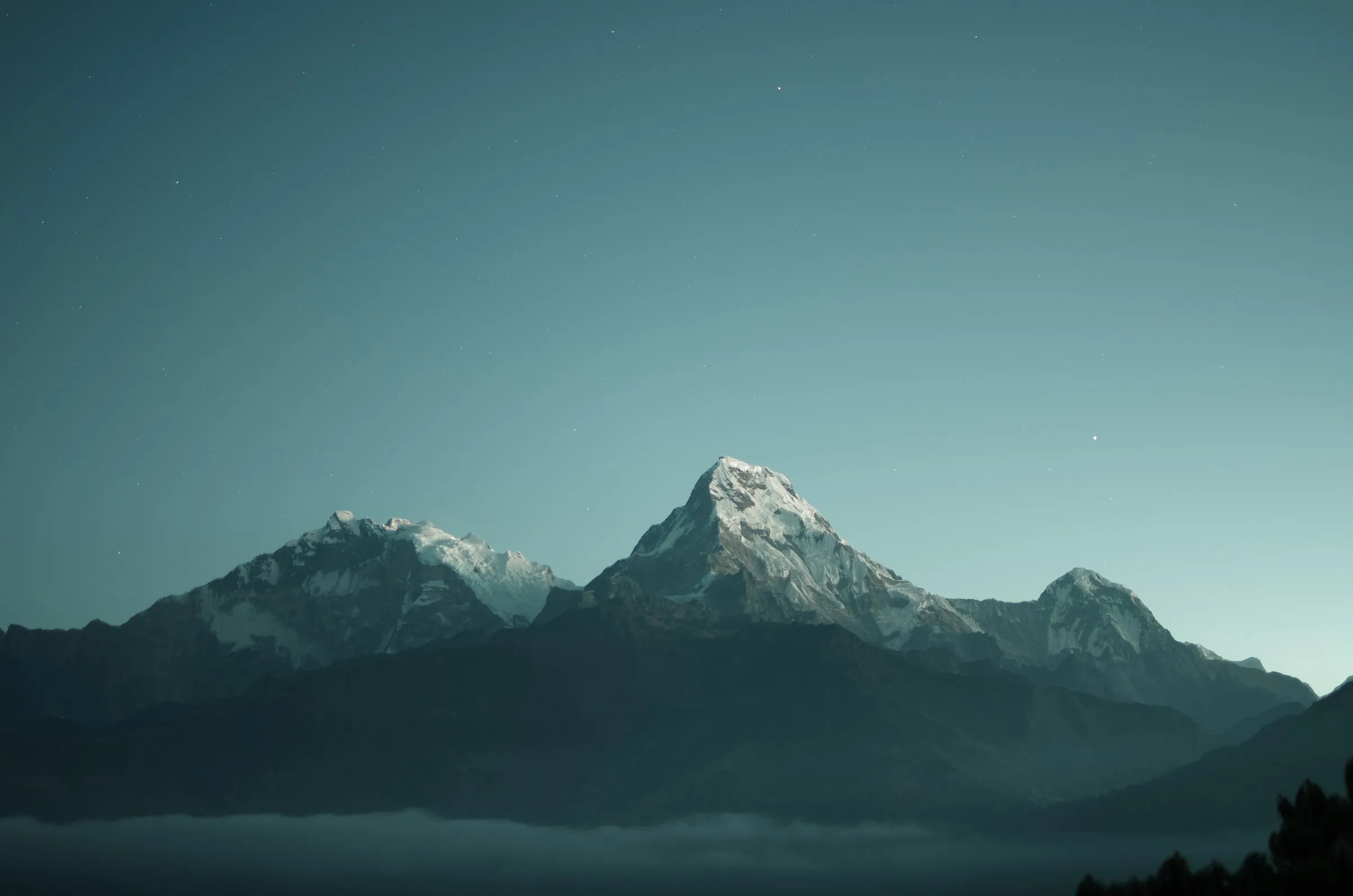
Poon Hill is the trek we suggest first to families. It is short, the highest night is 2,860 m, the villages are close together, and the reward, a sunrise over Dhaulagiri and the Annapurnas, comes on the third morning. It is still a real trek, so here is what to expect and what we change for children.
Why it suits families
- Low altitude. You sleep at Ulleri (2,010 m), Ghorepani (2,860 m), Tadapani (2,680 m) and Ghandruk (1,940 m). Nobody sleeps above 3,000 m, so the altitude guideline never applies and serious altitude sickness is very unlikely. Mild headaches can still happen on the Poon Hill morning at 3,210 m.
- Short days with villages in between. Teahouses sit every hour or two along the trail, so there is always somewhere to stop, eat and warm up.
- Seven days from Kathmandu, four on the trail. Short enough to hold attention, long enough to feel like an expedition. The full day-by-day is on the trek page.
The hard parts, honestly
The steps to Ulleri. Day 2 climbs thousands of stone steps from Tikhedhunga to Ulleri. Adults find it tiring; children either race up or hate it. Start early, take long breaks, and let the pace be theirs.
The sunrise climb. On Day 4 everyone leaves Ghorepani in the dark, by headtorch, to climb about 350 m to Poon Hill before dawn. It is cold at the top. Bring gloves, a hat, a down jacket and a hot drink in a flask. A child who is not a morning person may prefer to sleep in; one adult can stay with them while the rest go up.
Downhill days. The descents to Tadapani and Ghandruk are long and hard on knees. Trekking poles sized for children help a lot.
What we change for a family trek
- Slower days. We split the Ulleri climb or add a night at Ghandruk, which has a village museum and a flat afternoon. The relaxed version is on the trek page.
- A porter for the children’s bags. Children carry a small pack with water and a toy; the porter carries the rest.
- Rooms, not dormitories. We book family rooms where teahouses have them. In peak months that means booking ahead.
- Food they will eat. Teahouse menus have pancakes, noodles, fried rice, momos, eggs and chips as well as dal bhat. Bring the snacks they like from home; what is sold on the trail is limited and dearer the higher you go.
- Nothing above 3,210 m. We do not add Khopra Danda or push on to Annapurna Base Camp with young children. The jump to a 3,640 m night or a 4,130 m night changes the altitude risk, and we would rather you came back for that trek when they are older.
What age?
There is no rule. Children who walk regularly at home, enjoy being outdoors all day and can cope with cold mornings and simple rooms do well on Poon Hill. Children who have never walked more than an hour will not enjoy the Ulleri steps. The honest test is a weekend of back-to-back walks at home with the pack they will carry.
When to go with children
October, November, March and April. Nights at Ghorepani average about −3 °C in the coldest of those months, so a child-sized sleeping bag rated to about −8 °C and a down jacket are the two pieces of kit that matter. Avoid the monsoon (June to September): leeches in the lower forest and cloud over the view. See Poon Hill month by month.
Our 7-day Poon Hill trek is from US$669 per person for 2 to 3 people; children’s prices on request. Itinerary and dates →